Printable car wrap film: the guide for professional wrappers
Choosing the right printable car wrap film is more than just a technical decision. It determines how quickly your team can install it, how easy the panels are to position, and how reliable the final result will be on curves, recesses, bumpers and complex bodywork shapes.
For professional car wrappers, it’s all about control, efficiency and reliability. The right printable car wrap film helps to reduce installation stress, minimise rework and deliver a flawless finish that remains reliable long after completion.
In this guide, you will learn:
- What to look out for when choosing a printable cast wrapping film
- Why tack, slideability and conformability are important
- How to prevent lifting, shrinkage and rework
- When to opt for GT38SL, AE38C, AE38P or PU-50C
- What preparation is required for a durable vehicle wrap
What makes a printable car wrap film suitable for professional use?
A professional printable cast car wrap film must be capable of more than just printing well. It must also laminate correctly, adhere predictably, conform well and remain stable on vehicle panels with 3D surfaces.
A standard (polymeric) print film may be sufficient for flat signage, but vehicles demand more. Curves, indentations and complex body shapes place additional stress on the film. A high-quality printable CAST car wrap film has been developed to cope with this. For professional wrappers, this is what matters most:
- Quick and easy installation: simple to position and adjust
- Reliable performance: remains stable when installed correctly
- Efficiency: less wasted time, stress and rework
A good car wrap cast film complements the installer’s expertise. It does not replace it, but makes the work more predictable, quicker and easier to control.
Why is choosing the right cast car wrap film important?
The choice of film has a direct impact on both the quality and profitability of a wrap job. A project such as a vehicle wrap may look profitable on paper, but that margin quickly disappears if the installation takes longer than planned.
Common time-wasters include:
- Difficult to position
- Too high tack
- Over-stretching
- Peeling edges
- Reprinting panels
- Repairs after delivery
The right car wrap film ensures a smoother workflow. When the film’s adhesion is predictable and offers sufficient control, installers can work faster and with greater confidence.
How can you prevent lifting, shrinkage and rework?
Most car wrap problems are not caused by a single mistake, but by a combination of material choice, preparation and installation technique. A high-quality printable cast car wrap film can only perform well if the substrate, print, laminate and installation method are also correct.
Major causes include:
- Inadequate cleaning or degreasing
- Inappropriate choice of film for the vehicle’s shape
- Over-stretching in indentations or curves
- Insufficient post-heating
- Unsuitable laminate
- Poor edge finishing
- Insufficient outgassing time after printing
- Incorrect workshop temperature
- Insufficient aftercare
Surface preparation remains one of the biggest risk factors. Wax, polish residue, silicone, grease and road grime are not always visible, but can significantly affect adhesion.
The laminate also plays an important role. The print film and laminate must work together as a single unit. A laminate that is too stiff or unsuitable can reduce conformability and increase the risk of lifting.
Pre-installation checklist to prevent wrapping problems
Always check:
- Is the film suitable for the shape of the vehicle?
- Is the laminate suitable for the chosen film?
- Has the print had enough outgassing time?
- Has the vehicle been thoroughly cleaned and degreased?
- Are there any damaged or repainted panels?
- Have the stretch zones, seams and edges been planned in advance?
- Are stretched zones post-heated correctly?
- Does the customer receive clear aftercare instructions?
What is the difference between tack and slideability?
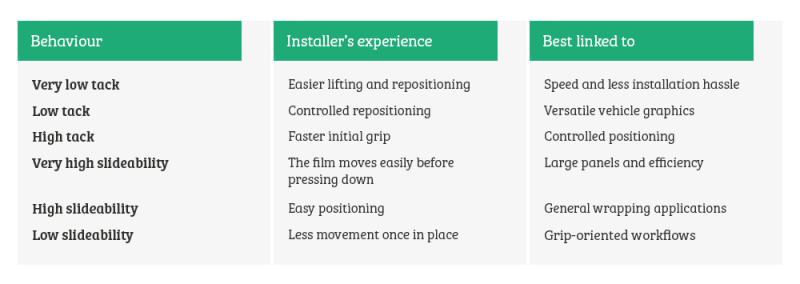
Tack and slideability determine how a printable cast car wrap film behaves during installation.
Tack refers to the initial adhesive strength when the film comes into contact with the vehicle. Low tack allows more time for lifting, adjusting and repositioning. High tack provides grip more quickly and feels more secure.
Slideability indicates how easily the film moves across the surface before final pressure is applied. High slideability is particularly useful for large panels, as the film moves more easily and can be aligned more accurately.
Neither is automatically better. The right choice depends on the job, the vehicle and the installer’s preference.
Which printable car wrap film should you choose?
The best choice of vehicle wrap film depends on the vehicle, the application and the workshop workflow.
Ask yourself these questions beforehand:
- Is the vehicle flat, curved or complex?
- Are there any deep indentations, bumpers or complex body lines?
- Is maximum repositionability important?
- Does the installer want low tack or a slightly more immediate grip?
- Is it a full wrap, a partial wrap or fleet graphics?
- Is the customer asking for a PVC-free alternative?
Overview of Grafityp’s printable cast wrapping films
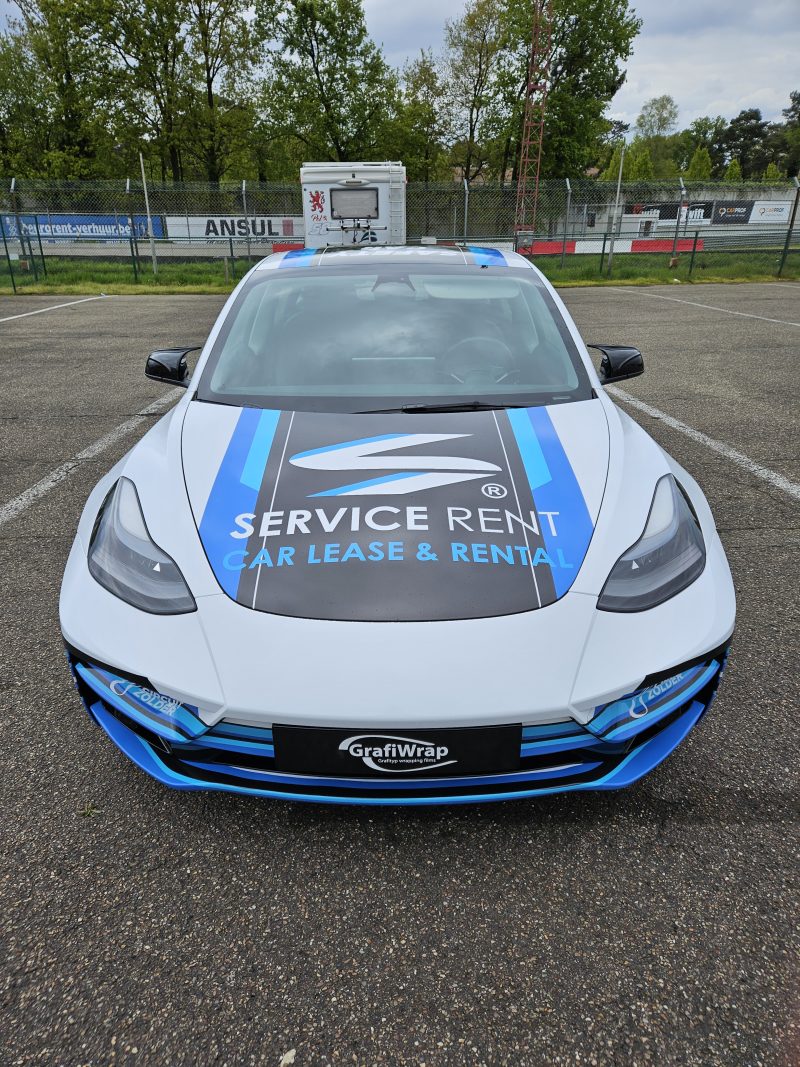
Within the Grafityp range, each film has its own strengths. Choose GT38SL when speed, efficiency and easy repositioning are key. AE38C is the versatile all-rounder for wraps, fleet graphics and commercial vehicles. AE38P is better suited to wrappers who prefer to work with more initial tack and a firmer feel during application. PU-50C, on the other hand, is the PVC-free choice for projects where durability is important.
GT38SL: for maximum efficiency
GT38SL is Grafityp’s most wrap-friendly printable cast car wrap film. Thanks to its very low tack and very high slideability, the film can be easily positioned and repositioned before final pressure is applied.
Choose GT38SL when installation speed, ease of sliding and repositionability are important.
This makes the GT38SL particularly suitable for:
- Complete wraps
- Commercial vehicle wraps
- Fleet graphics
- Large printed panels
- Tight workshop schedules
- Installers who want maximum control
Match this film with the following cast laminates : LAMX40, LAMX30 (glossy) and LAMX45 (matt).
AE38C: the versatile all-rounder
AE38C is the all-round printable cast wrapping film for professional graphics. The film combines low tack with high slideability and offers a good balance between repositionability and control.
Choose AE38C if you’re looking for a versatile film for a wide range of vehicle projects.
AE38C is suitable for:
- Commercial vehicle graphics
- Fleet branding
- Partial wraps
- Commercial vehicles and cars
- Daily production in sign- and wrap shops
Match this film with the following cast laminates : LAMX40, LAMX30 (glossy) and LAMX45 (matt).
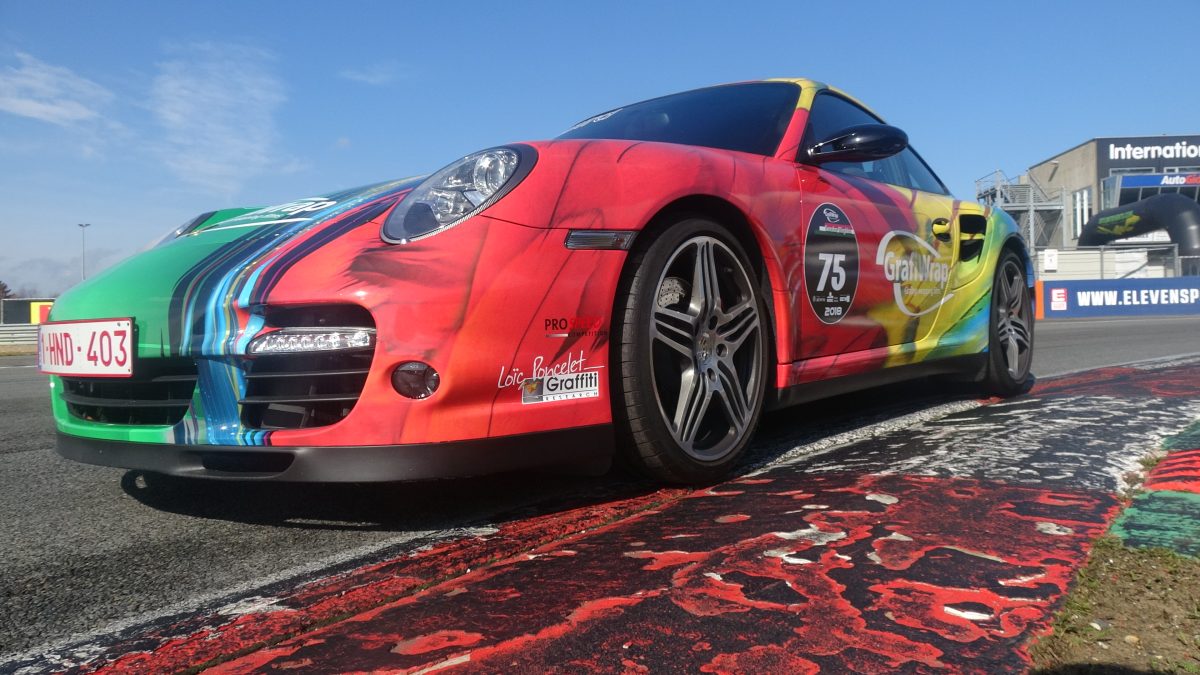
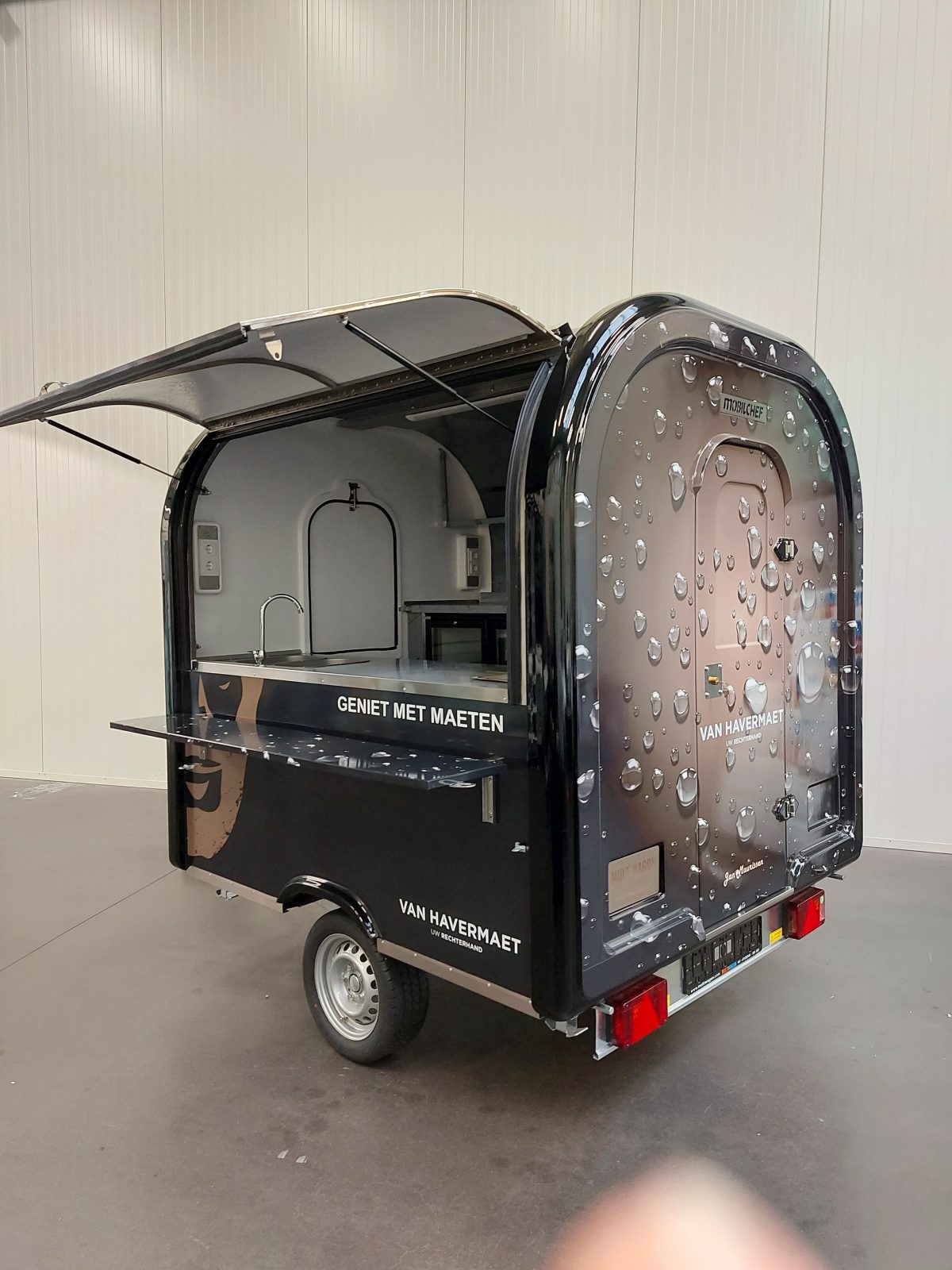
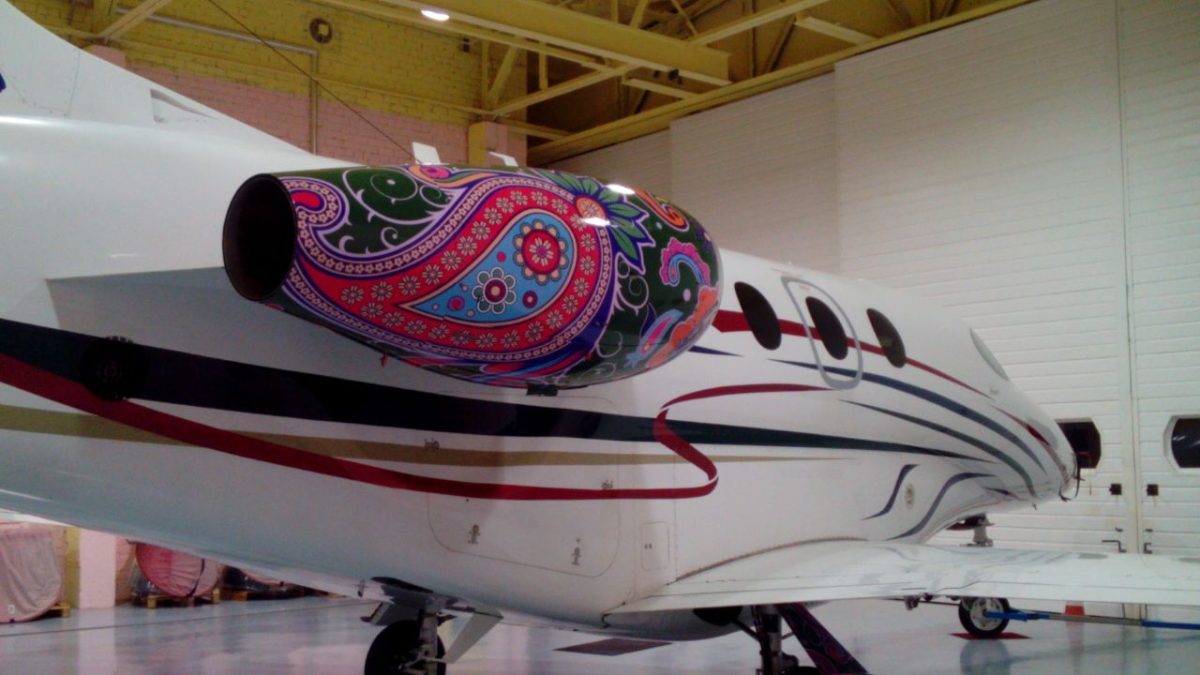
AE38P: for more initial grip
AE38P is the high-grip option in the range. The film has higher tack and lower slideability, meaning it grips more quickly as soon as it comes into contact with the surface. This may be of interest to wrappers who prefer a more rigid feel when installing.
Choose AE38P when grip and controlled placement are more important than maximum repositioning.
AE38P is suitable for applications where:
- A stronger initial tack is required
- Less slideability is required
- The film must remain in place quicker
- The installer prefers direct adhesive feedback
Match this film with the following cast laminates : LAMX40, LAMX30 (glossy) and LAMX45 (matt).
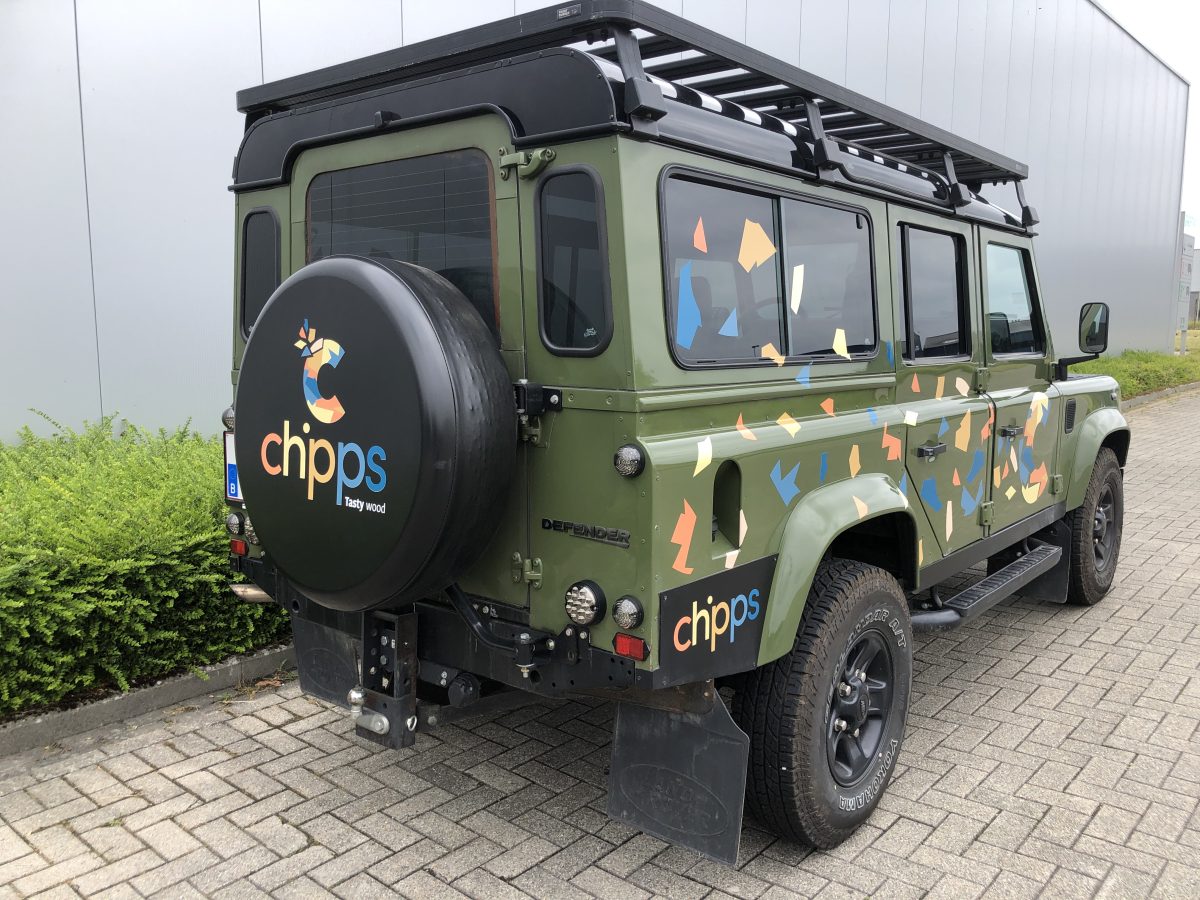
PU-50C: the PVC-free choice
PU-50C is Grafityp’s PVC-free wrapping film for commercial vehicles. This film responds to the growing demand for more sustainable materials and PVC-free alternatives. PU-50C combines low tack with high slideability whilst offering a PVC-free formulation. This makes the film an attractive option for brands, public authorities, fleets and companies with sustainability targets.
Choose PU-50C when your project requires a PVC-free car wrap film with professional wrapping performance.
PU-50C is suitable when:
- The customer is asking for a PVC-free solution
- Sustainability is part of the briefing
- The wrap must be in line with environmental objectives
- The wrapper wants to offer a more sustainable alternative
Match this film with the PVC-free laminate LAMPU38. This laminate contains a protective cap sheet, which must be removed before applying the film.
Practical tips for a better wrap
Good-quality film helps, but the end result also depends on preparation and attention to detail during installation. Watch the live webinar with wrapping specialist Rudi Zoons and discover how to avoid air bubbles, apply film correctly to doors and on multi-level surfaces, and work systematically with stretching, de-stressing and warming up.
- Inspect the vehicle in advance
Check the paintwork, damage, rust, repainted panels, old adhesive residue and complex shapes. - Clean and degrease thoroughly
Pay particular attention to edges, door edges, handles, recesses and lower panels. - Use the right laminate
The laminate affects the flexibility and durability of the entire system. - Allow sufficient outgassing time
This causes problems, particularly with solvent prints, following lamination and installation. - Check temperature and environment
Stable workshop conditions ensure predictable bonding behaviour. - Plan panels, seams and stretch zones in advance
Good planning prevents delays during installation. - Avoid over-stretching
Do not force the film into difficult shapes. Tension often leads to lifting or shrinkage later on. - Post-heat correctly
This is particularly essential in areas where the material is stretched, in notches and in complex shapes. - Finish the edges neatly
Edges are often the first place where problems become apparent. - Provide aftercare advice
Explain how the customer should wash, maintain and inspect the wrap correctly.
Request a sample
Request a sample from your local Grafityp dealer or contact your dealer for advice on the best printable car wrap film for your next car wrap project.
Frequently Asked Questions
What is the best printable car wrap film?
That depends on the job. The GT38SL is ideal for efficiency and repositionability. The AE38C is the all-round choice. The AE38P is suitable for greater initial grip. The PU-50C is the PVC-free option.
Which Grafityp film is the easiest to install?
GT38SL is the easiest printable car wrap film to install. Its very low tack and very high slideability make positioning and repositioning easier, particularly on large panels and full wraps.
What does ‘slideability’ mean?
Slideability describes how easily the film glides across the surface before being pressed down firmly. High slideability makes it easier to align the film and work more quickly.
What does ‘tack’ mean?
Tack refers to the initial adhesive force when the film comes into contact with the vehicle. Low tack allows for greater adjustment. High tack provides grip more quickly.
Why do car wraps come loose?
Usually due to poor cleaning, the wrong choice of film, overstretching, insufficient post-heating, unsuitable laminate, poor edge finishing or incorrect aftercare.
Do printed car wraps need a laminate?
Yes. The laminate protects the print, enhances durability and affects the finish and flexibility of the system.
More news
We help to make brands stick. To do this in the best possible way, a good knowledge of the material is essential. Of films and of adhesives. And of the perfect mix for each application. In our blog we share this knowledge with you and we keep you posted on the latest news facts from our company and from our sector.
Back to the overview